To live in a city is to inhabit it as a memory device — a living, shifting photograph of our experiences, tattooed onto its cement, concrete, and architecture. Cities, in their constant cycles of destruction and reconstruction, erase the very settings that shaped who we are.
A bakery replaced by a bank. A cinema turned into a supermarket. The warm yellow light giving way to cold white.
New systems wipe out what is old, what once existed.
And yet, we continue to exist.
This is why the cultural landscape of a city — and of a country — becomes so essential. The architecture that is dismantled finds new life in other art forms, in abstract perceptions that later become the landscapes we revisit in our memory. You likely remember vividly the last samba circle you were part of. Or the concerts you attended. Who was with you? How did the air feel on your skin? What did the place smell like?
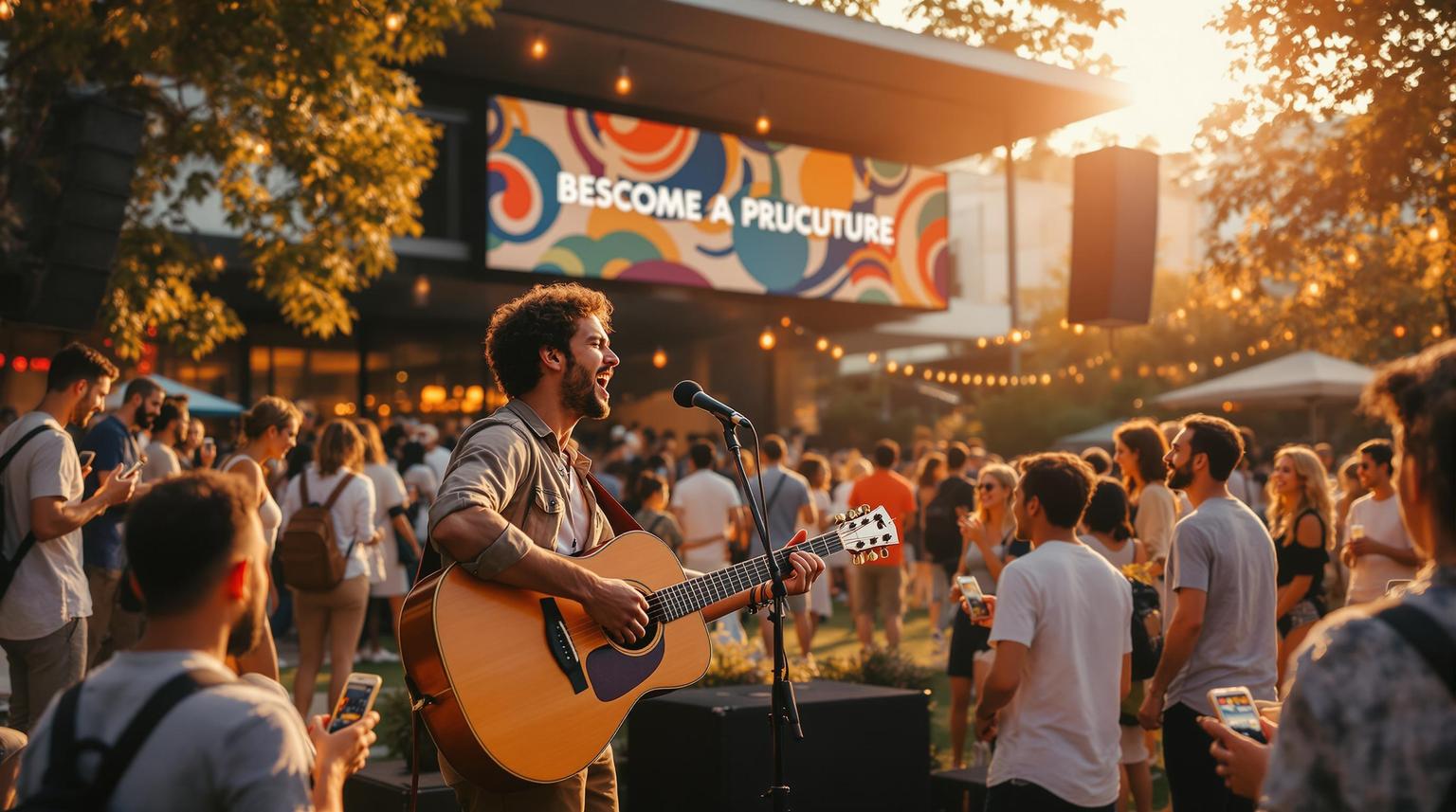
A few days ago, Diogo Presuntinho and Camila Rondon sparked a true cultural hecatomb in Marvila, Lisbon. In yet another graduation gathering of Patú Sambá — the first samba circle in Europe and also a percussion school — they achieved the incredible feat of bringing together 200 people to make their bateria resound.
At Patú Sambá, emotions and achievements are celebrated. It is a powerful tool for building community — a physical consecration of making music together, a sonic delight in hearing a large percussion ensemble play, and the beauty of what these two spirits accomplish by gathering people to honor Afro-Brazilian culture.
In a recent encounter, José Miguel Wisnik closed a long conversation about music with Tiganá Santana, during the Complexo Brasil program at the Calouste Gulbenkian Foundation, recalling a beautiful and philosophical phrase by Agostinho da Silva, who said that the destiny of trees is the destiny of human beings.
I take the phrase and reshape it with humility: what takes root is what builds us.
This is what Brazilian culture does on Portuguese soil — it occupies spaces, transforms them, enriches the city’s experience, and brings comfort to the hearts of both immigrants and locals.
Culture — and cultural-making — appear here as the invisible architecture of the city, reminding us that a city is not built solely with concrete, steel, machinery, and money. Art, like architecture, creates dwelling for people, solidifies memory, and keeps the stories of what once happened alive.
Buildings can be torn down; none of these structures may still stand 100 years from now — if they stand at all. Yet our ancestry endures in our artistic creations, which are timeless and outlive the physical structures that rise and fall.
Do not miss the next Patú Sambá event or their classes. Learn more here: Patú Samba @ Membrz.Club.
And equally unmissable is the Complexo Brasil program, which includes the participation of the wonderful Coletivo Gira.
by Rods Rodrigues // Membrz.Club General Manager.