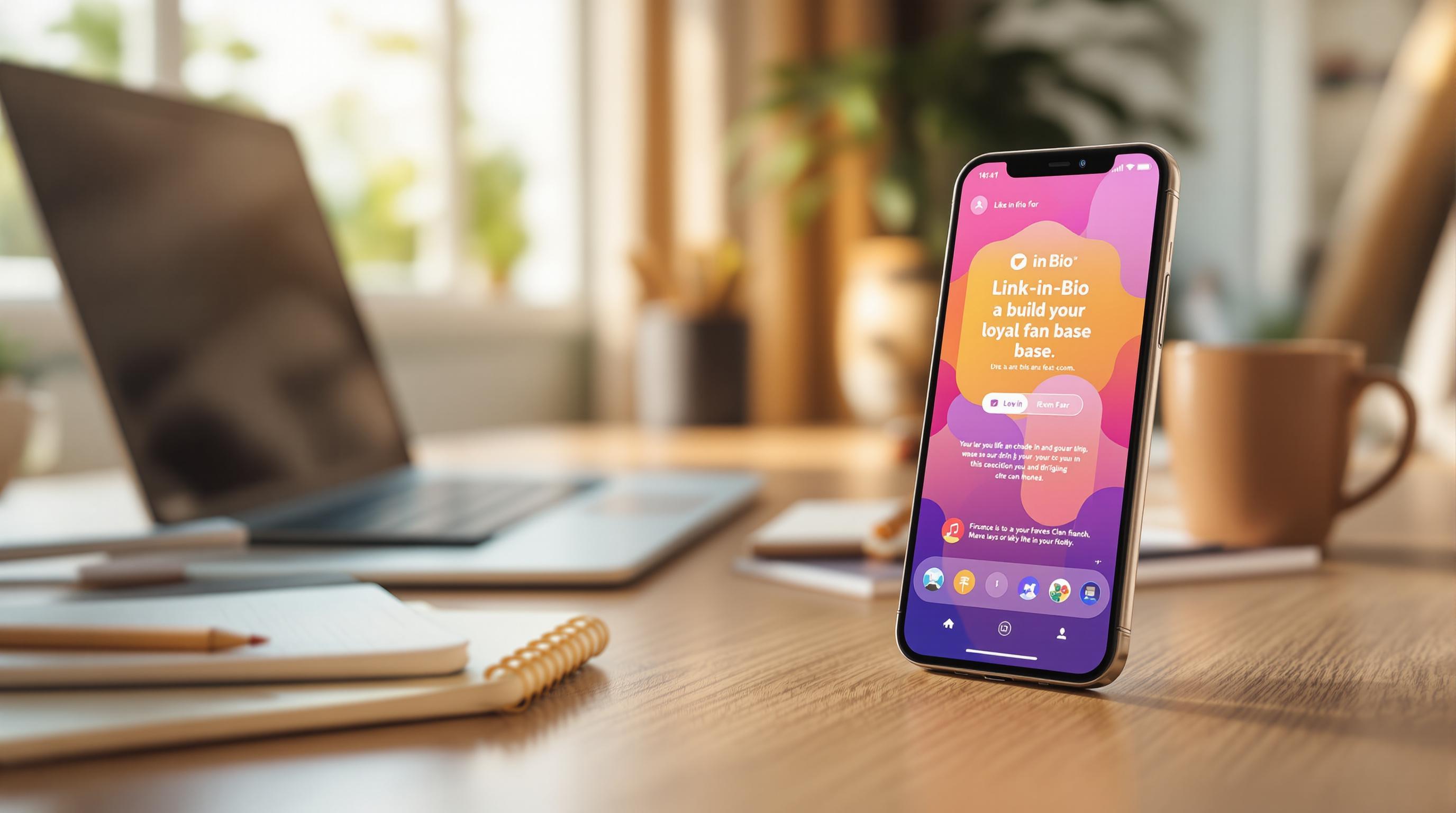
There is a quiet shift happening inside the creative industries. It doesn’t announce itself loudly, and it rarely appears in manifestos or trend reports, but it is felt daily inside studios, agencies, and production teams. Creative work today no longer ends with the delivery of an image, a video, or a campaign. It continues, through distribution, adaptation, iteration, and internal organization. And with that continuation comes a growing, often unspoken demand for infrastructure.
Creative studios are being asked to do more than create. Clients arrive not only with briefs, but with operational questions. How will this content live over time? How will it be scheduled, tracked, reused, or adapted? Can this process be automated? Can it move faster next time? These questions are not really about creativity, they are about systems. Yet they arrive through the creative door, because that is where cultural value is being produced.
This creates a tension. Creativity operates through intuition, taste, and authorship. It needs space, experimentation, and sensitivity. Software, by contrast, requires structure, precision, and repeatability. When these two logics are collapsed into one role, something inevitably gives. Creative teams find themselves improvising tools, bending generic platforms, or absorbing technical responsibilities that quietly drain focus and energy. Infrastructure becomes an invisible burden, rather than a supportive layer.
What emerges, then, is not a need for more software, but for better alignment. Not every creative studio needs to become a tech company. And not every technical solution needs to impose itself on creative process. The more interesting question is how these domains can remain distinct while working closely together, each doing what it does best.
This is where partnerships become a design choice, not just a business one. When creative production meets custom tools through collaboration, a different dynamic appears. Creative studios remain centered on direction, aesthetics, narrative, and artistic control. Product teams step in to design and build lightweight, purpose-built software that reflects real workflows instead of abstract assumptions. Clients, in turn, receive solutions that feel whole not patched together from incompatible parts, but coherent from concept to execution.
In this arrangement, technology stops trying to be expressive and starts learning how to listen. Tools are not built to impress, but to disappear. Interfaces become quieter. Systems adapt to creative rhythms instead of forcing creative work to adapt to them. AI, in particular, shifts role. It is no longer framed as a generator of ideas or a replacement for authorship, but as a practical assistant, helping schedule, organize, connect, and extend creative output without touching its core.
There is something important in this restraint. Much like in cultural experiences themselves, the value of infrastructure lies in what it allows to happen, not in its visibility. When tools are well designed, they fade into the background. They reduce friction. They create continuity. They make it easier for creative work to live longer, travel further, and remain coherent over time, without flattening it into templates or feeds.
This way of working also reframes how we think about value. Instead of measuring success only through delivery speed or content volume, it emphasizes sustainability of teams, of processes, of relationships with clients. It opens space for new revenue streams without pulling creative studios away from their core identity. And it allows technical teams to focus on what they do best: building systems that are pragmatic, flexible, and deeply aligned with human workflows.
Ultimately, this is not just about collaboration between companies. It reflects a broader cultural shift in how we understand production itself. Creative work today exists inside complex ecosystems, social, technical, economic. Pretending that a single discipline can or should absorb all of that complexity is neither realistic nor desirable. What matters instead is orchestration: knowing when to lead, when to support, and when to step back.
Creativity does not need louder tools.
It needs better ones.
by Rods Rodrigues // Membrz.Club General Manager